There is a specific kind of magic that happens on a kitchen counter over the course of a week. It begins with a vibrant, yellow bunch of bananas firm and perfect for a midday snack. As the days pass, they soften, their skins yielding to dark freckles, eventually turning an unappetizing shade of deep brown or even black. To the uninitiated, these fruits are past their prime, destined for the compost bin. But to a baker, these are not ruined fruits; they are the essential, sugar-laden gold required to create one of the most beloved comfort foods in the world: Banana Bread.
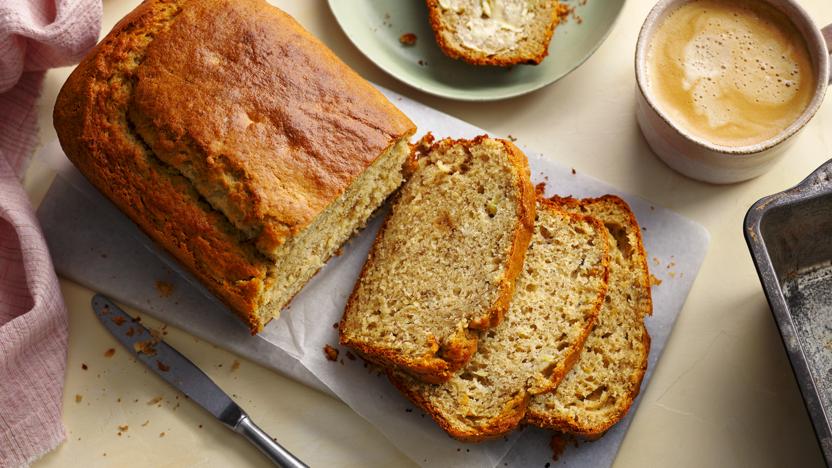
Banana bread occupies a unique space in the culinary world. It sits somewhere between a rustic bread and a decadent cake, making it socially acceptable to eat for breakfast, as a teatime snack, or a late-night dessert. Its popularity transcends cultures and generations, and for many, the scent of cinnamon and mashing bananas evokes a powerful sense of nostalgia.
A Brief History of Resourcefulness
The rise of banana bread is a testament to human ingenuity during times of scarcity. While bananas were introduced to the United States in the late 19th century, they were an expensive luxury until refrigeration and faster shipping became standard. The actual “banana bread” as we know it didn’t appear in mainstream cookbooks until the 1930s.
Historians believe the Great Depression played a significant role in the recipe’s proliferation. During this era, families could not afford to waste any scrap of food. Overripe bananas, which were once discarded, were repurposed into a dense, filling loaf. This coincided with the mass production of chemical leavening agents like baking powder and baking soda, which allowed home cooks to make “quick breads” without the time-consuming process of waiting for yeast to rise. By the time the 1950s arrived and television cooking shows began to flourish, banana bread was firmly cemented as a staple of the American kitchen.
The Science of Ripeness
The most critical component of a successful banana bread is the state of the fruit itself. You simply cannot make a world-class loaf with “perfect” yellow bananas. The science behind this lies in the conversion of starch to sugar. As a banana ripens, its complex carbohydrates break down into simple sugars like glucose, fructose, and sucrose.
Simultaneously, the pectin in the fruit breaks down, softening the cell walls and making the banana easy to mash into a smooth, liquid-like consistency. An overripe banana provides three things that a yellow one cannot: intense sweetness, a deep aromatic flavor, and a high moisture content that ensures the bread remains tender for days. If your bananas are not black and soft enough to fall out of their skins, they aren’t ready for the oven.
Butter vs Oil: The Great Debate
When it comes to the fat source in banana bread, bakers are often divided into two camps: the butter enthusiasts and the oil advocates.
Butter provides an undeniable richness and a traditional “bakery” flavor. It creates a slightly denser, sturdier crumb that feels luxurious on the palate. However, butter contains water and milk solids, which can lead to a slightly drier loaf if the bread isn’t consumed within twenty-four hours.
Oil (such as canola, vegetable, or even melted coconut oil) is the secret to a professional-level moisture content. Because oil is 100% fat and remains liquid at room temperature, it coats the flour proteins more effectively, preventing a tough texture and keeping the bread incredibly soft for several days. Many modern recipes suggest a compromise: using a blend of both to capture the flavor of butter with the structural benefits of oil.
The Secret to the Perfect Texture
The most common mistake made in the pursuit of banana bread is over-mixing the batter. Like muffins and pancakes, banana bread is a “quick bread,” meaning it relies on chemical leaveners. When you mix flour with wet ingredients, gluten begins to develop. A little gluten is necessary for structure, but too much results in a loaf that is tough, rubbery, and plagued by “tunnels” (large air pockets inside the bread).
The golden rule is to mix until the dry ingredients are just incorporated. If you see a few small streaks of flour remaining, stop. The mashing of the bananas also plays a role; some prefer a completely smooth puree for a uniform cake-like texture, while others leave small chunks of fruit to create pockets of concentrated banana flavor throughout the loaf.
Customization and Creative Add-ins
Part of the joy of banana bread is its versatility. While a plain loaf is a masterpiece of simplicity, the batter can act as a vehicle for a variety of textures and flavors.
- Nuts: Toasted walnuts or pecans are the most traditional choice, adding a much-needed crunch to the soft crumb.
- Chocolate: Semi-sweet chocolate chips or dark chocolate chunks turn the bread into a decadent treat. The bitterness of dark chocolate balances the intense sweetness of the bananas perfectly.
- Dairy Boosts: Adding a dollop of Greek yogurt or sour cream to the batter introduces a subtle tang and ensures an even moister result.
- Spices: While cinnamon is the standard, a pinch of nutmeg, ground ginger, or even cardamom can elevate the flavor profile to something more sophisticated.
Storage and the “Second Day” Rule
Interestingly, banana bread is one of the few baked goods that often tastes better the day after it is made. As the loaf sits, the moisture from the bananas and fats redistributes, and the spices have time to meld.
To store it properly, wrap the cooled loaf tightly in plastic wrap or store it in an airtight container at room temperature. If you want to take it to the next level, try slicing a piece of “day-old” banana bread and searing it in a pan with a little salted butter. The sugars in the bread will caramelize, creating a crisp exterior that contrasts beautifully with the warm, soft interior.
Conclusion
Banana bread is more than just a recipe; it is a lesson in patience and the beauty of transformation. It teaches us that something seemingly spoiled can, with a little heat and effort, become something extraordinary. Whether you are a seasoned baker or a novice looking to use up those lonely fruits on your counter, the humble banana loaf offers a rewarding, aromatic, and deeply satisfying experience. It remains a testament to the fact that the simplest ingredients often yield the most profound results.