For many, the word “ramen” once evoked images of styrofoam cups and dorm-room budget meals. However, over the last decade, this humble noodle soup has undergone a global culinary renaissance. Transforming into a symbol of craftsmanship, patience, and gastronomic depth. Today, ramen is recognized as a complex art form, with dedicated “ramen-ya” (shops) around the world drawing long queues of enthusiasts eager to experience the perfect harmony of broth, noodles, and toppings.
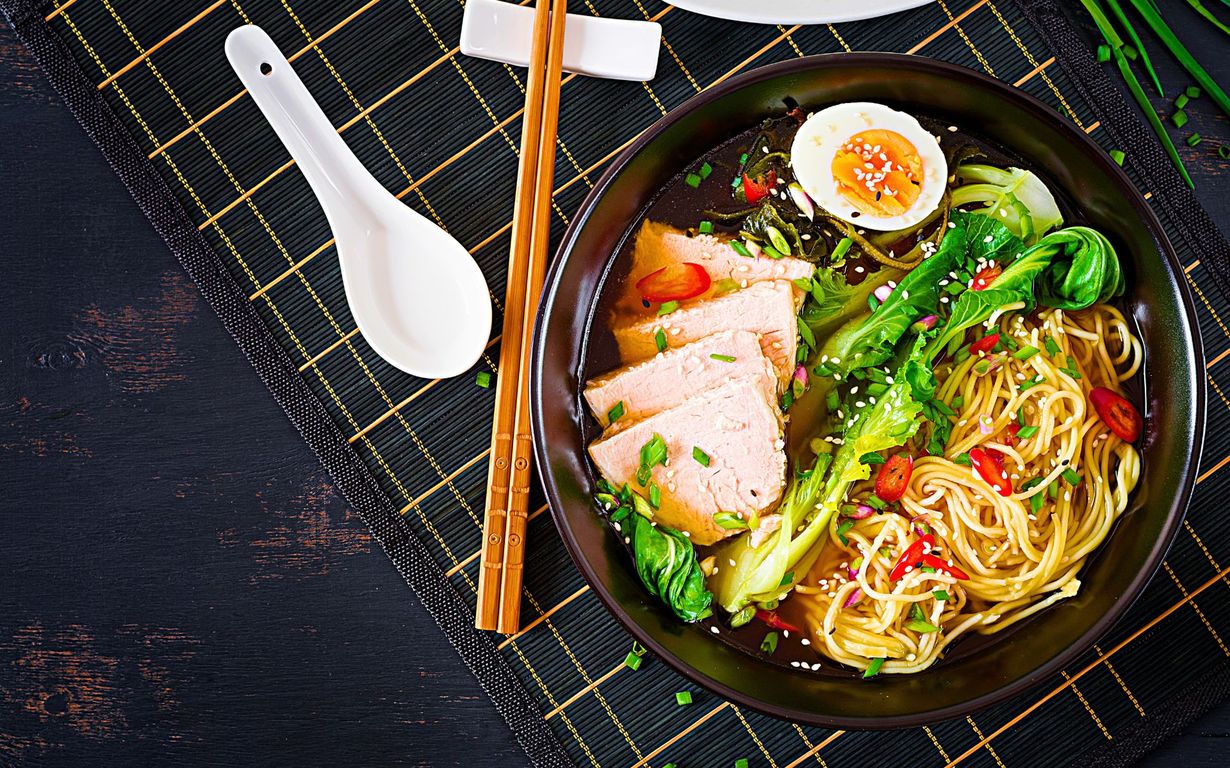
To understand ramen is to understand a dish that balances extreme simplicity with obsessive detail. This article explores the rich history, the essential components that build a bowl, and the regional styles that make ramen one of the most diverse and beloved foods on the planet.
A Brief History: From Chinese Roots to Japanese Icon
While ramen is indisputably a Japanese cultural icon, its origins trace back to China. The word “ramen” is believed to be a Japanese pronunciation of the Chinese “lamian” (pulled noodles). These wheat noodles were introduced to Japan in the late 19th and early 20th centuries by Chinese immigrants in port cities like Yokohama.
Initially known as “shina soba” (Chinese soba), the dish gained popularity among the working class as a cheap, filling, and flavorful meal. However, the true turning point came after World War II. During a time of food scarcity, wheat flour flooded the market through US aid, and ramen became a vital source of nutrition. In 1958, Momofuku Ando invented instant ramen, a technological marvel that allowed the dish to reach global scale. By the 1980s, ramen had evolved from a basic survival food into a cultural phenomenon, with chefs experimenting with regional ingredients and refined techniques.
The Anatomy of a Perfect Bowl: The Five Elements
A bowl of ramen is not a singular entity; it is a construction of five distinct layers. A master ramen chef focuses on the harmony between these elements:
1. The Broth (Dashi)
The broth is the heart of the dish. It can take anywhere from 12 to 48 hours to prepare. Broths generally fall into two categories: Chintan (clear) and Paitan (opaque/creamy). These are made by simmering pork bones (tonkotsu), chicken carcasses (tori), dried seafood (niboshi), or vegetables.
2. The Seasoning (Tare)
If the broth is the heart, the tare is the soul. This is a concentrated seasoning liquid added to the bottom of the bowl before the broth is poured. It provides the primary salt profile. The three classic tares are Shio (salt), Shoyu (soy sauce), and Miso (fermented soybean paste).
3. The Noodles (Men)
Ramen noodles are made of wheat flour, water, salt, and a crucial ingredient called kansui (alkaline mineral water). This alkaline element gives the noodles their signature yellowish hue, firm texture, and ability to resist getting soggy in hot broth. Noodles vary in thickness and “wave” (curly vs. straight) to match specific broth types.
4. The Aroma Oil (Koumi-yu)
A thin layer of flavored oil sits on the surface of the soup. Whether it is blackened garlic oil (mayu), chili oil (layu), or rendered chicken fat (chiyu), this oil traps the heat and provides the first hit of aroma as you lean over the bowl.
5. The Toppings (Gu)
Common toppings include chashu (braised pork belly), ajitsuke tamago (soft-boiled marinated egg), menma (fermented bamboo shoots), nori (seaweed), and chopped scallions.
Regional Masterpieces: A Tour of Japan
Ramen is deeply regional, with each area of Japan utilizing its local bounty to create a unique identity.
- Sapporo (Hokkaido): Known for its cold winters, Sapporo is the birthplace of Miso Ramen. The broth is thick and hearty, often topped with sweet corn, a pat of butter, and local seafood to provide extra warmth and calories.
- Hakata (Fukuoka): This region is famous for Tonkotsu Ramen. The broth is made by boiling pork bones at a high rolling boil for days until the marrow dissolves, creating a milky, creamy, and intensely savory liquid. It is typically served with thin, straight noodles.
- Tokyo: The capital is known for its classic Shoyu Ramen. Usually featuring a clear broth made from chicken and seafood, it is seasoned with high-quality soy sauce, resulting in a refined, nostalgic, and aromatic experience.
- Fukushima (Kitakata): Known for having one of the highest numbers of ramen shops per capita, Kitakata ramen features hand-kneaded, flat, curly noodles served in a clean shoyu-based pork broth.
The Etiquette of the Slurp
In many cultures, making noise while eating is considered rude. In the world of ramen, however, slurping is encouraged and practically necessary. Slurping serves two purposes: first, it aerates the broth, enhancing the flavor profile much like a sommelier aerates wine. Second, it cools the noodles as they enter your mouth, allowing you to eat the dish while it is at its peak temperature. Ramen is designed to be eaten quickly; if you linger too long, the noodles lose their structural integrity.
Conclusion
Ramen is a testament to the idea that greatness can be found in a single bowl. It is a dish that honors tradition while constantly pushing the boundaries of modern culinary innovation. From the meticulous boiling of bones to the precise alkaline balance of the noodles, every step is a labor of love. Whether you are enjoying a luxury bowl in a high-end Tokyo district or a steaming plate from a street-side stall, ramen offers a sensory experience that is both comforting and profoundly complex. It is more than just soup; it is a masterpiece of Japanese craft.