In the fast-paced world of 2026, our dietary habits have become a central pillar of our overall productivity and mental well-being. Long gone are the days when snacking was viewed as a “guilty pleasure” or a nutritional distraction between meals. Today, nutritionists and health experts recognize snacking as a strategic opportunity to provide the body with essential micronutrients, stabilize blood sugar levels, and prevent the energy crashes that often lead to poor decision-making and fatigue.
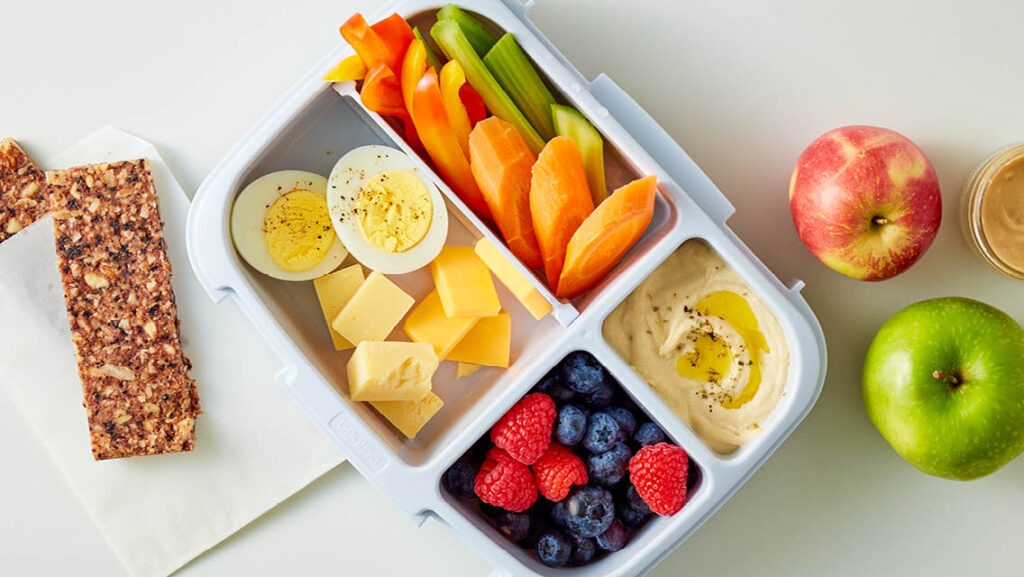
The secret to healthy snacking does not lie in deprivation, but in the art of balance. It is about moving away from ultra-processed “empty calories” and toward nutrient-dense whole foods that satisfy both the palate and the body’s physiological needs. This article explores the science of smart snacking and provides a blueprint for incorporating delicious, healthy options into your daily routine.
1. The Science of the “Smart Snack”
To understand what makes a snack “healthy,” we must look at how it interacts with our metabolism. A poor snack—typically one high in refined sugar and low in fiber—causes a rapid spike in blood glucose, followed by a sharp insulin response and a subsequent “crash.” This cycle leaves you feeling hungrier and more tired than before.
The Power Trio: Protein, Fiber, and Healthy Fats
The most effective healthy snacks follow a simple formula: they combine at least two of the three macronutrients that promote satiety. Protein (found in nuts, Greek yogurt, or eggs) repairs tissues; fiber (found in fruits, vegetables, and whole grains) slows digestion; and healthy fats (found in avocados and seeds) provide long-lasting energy. When you combine these, you create a slow-release fuel source that keeps your brain sharp and your hunger managed for hours.
2. Top Tier Healthy Snack Categories for 2026
As our understanding of gut health and “brain food” has deepened, several categories of snacks have emerged as the gold standard for health-conscious individuals.
The Mediterranean Crunch: Nuts and Seeds
Raw or dry-roasted nuts are nature’s perfect snack. Almonds, walnuts, and pistachios are rich in Vitamin E, magnesium, and omega-3 fatty acids. However, the key to nut snacking is portion control. Because they are energy-dense, a single handful (about one ounce) is usually sufficient to bridge the gap between lunch and dinner.
The Probiotic Boost: Cultured Dairy and Alternatives
Greek yogurt and kefir remain at the top of the list because of their high protein content and the presence of probiotics. These “good bacteria” are essential for a healthy microbiome, which is linked to improved immunity and even mental health. For a perfect snack, top a small bowl of plain Greek yogurt with a few berries and a sprinkle of chia seeds.
The Plant-Forward Plate: Hummus and Fresh Vegetables
If you crave a savory crunch, skip the potato chips and opt for raw vegetables like bell peppers, cucumbers, or carrots dipped in hummus. Chickpeas (the base of hummus) are an excellent source of plant-based protein and fiber. This combination provides a high-volume snack that feels substantial without being heavy in calories.
3. Navigating the “Healthy” Label at the Grocery Store
One of the greatest challenges for the modern consumer is “greenwashing”—the marketing tactic where processed foods are labeled as “organic,” “all-natural,” or “gluten-free” to mask high sugar or sodium content.
Reading the Ingredient List
A truly healthy snack should have a short and recognizable ingredient list. If the first three ingredients include sugar (or its many aliases like high fructose corn syrup, maltodextrin, or agave), it is likely more of a dessert than a snack. Look for snacks that are “low-glycemic” and free from artificial dyes and preservatives. In 2026, we have more access than ever to transparent labeling; use that data to prioritize foods in their most natural form.
4. The Psychological Advantage: Mindful Snacking
Healthy snacking is as much about how you eat as it is about what you eat. Many of us fall into the trap of “distracted eating”—snacking while working at a computer or scrolling through a phone.
Breaking the Cycle of Boredom Eating
Before reaching for a snack, ask yourself: “Am I physically hungry, or am I just bored, stressed, or thirsty?” Often, our bodies confuse thirst for hunger. Drinking a glass of water and waiting ten minutes can prevent unnecessary snacking. If you are truly hungry, take five minutes to sit away from your screen and enjoy your food. This mindful approach allows your brain to receive the “fullness” signals from your stomach, leading to greater satisfaction.
5. Preparation: The Secret to Consistency
The primary reason people choose unhealthy snacks is convenience. When you are starving and in a rush, a candy bar or a bag of chips is the easiest option. To succeed, you must make the healthy choice the easy choice.
The Sunday Prep Ritual
Spend thirty minutes at the start of your week portioning out snacks. Slice your vegetables, boil a few eggs, or create your own trail mix. Having pre-portioned, healthy options at eye-level in your refrigerator or in your bag eliminates the decision fatigue that leads to poor dietary choices. In 2026, being “too busy” is no longer an excuse when a little bit of foresight can safeguard your health.
Conclusion
Healthy snacking is a powerful tool in your wellness arsenal. By focusing on the combination of protein, fiber, and healthy fats, you can stabilize your energy and nourish your body throughout the day. Remember that your diet is not about perfection; it is about making better choices more often.
When you treat your snacks as high-quality fuel rather than a distraction, you will notice a profound shift in your energy levels, your focus, and your long-term health. Start small, experiment with new flavors, and enjoy the process of discovering what truly nourishes you.