For the modern cook, a pinch of cinnamon or a dash of black pepper is a mundane convenience, an affordable luxury kept in a kitchen cupboard. However, for the vast majority of human history, these dried seeds, barks, and roots were the world’s most precious commodities. Spices have funded empires, launched the Age of Discovery, prompted the rise and fall of civilizations, and quite literally mapped the world we live in today.
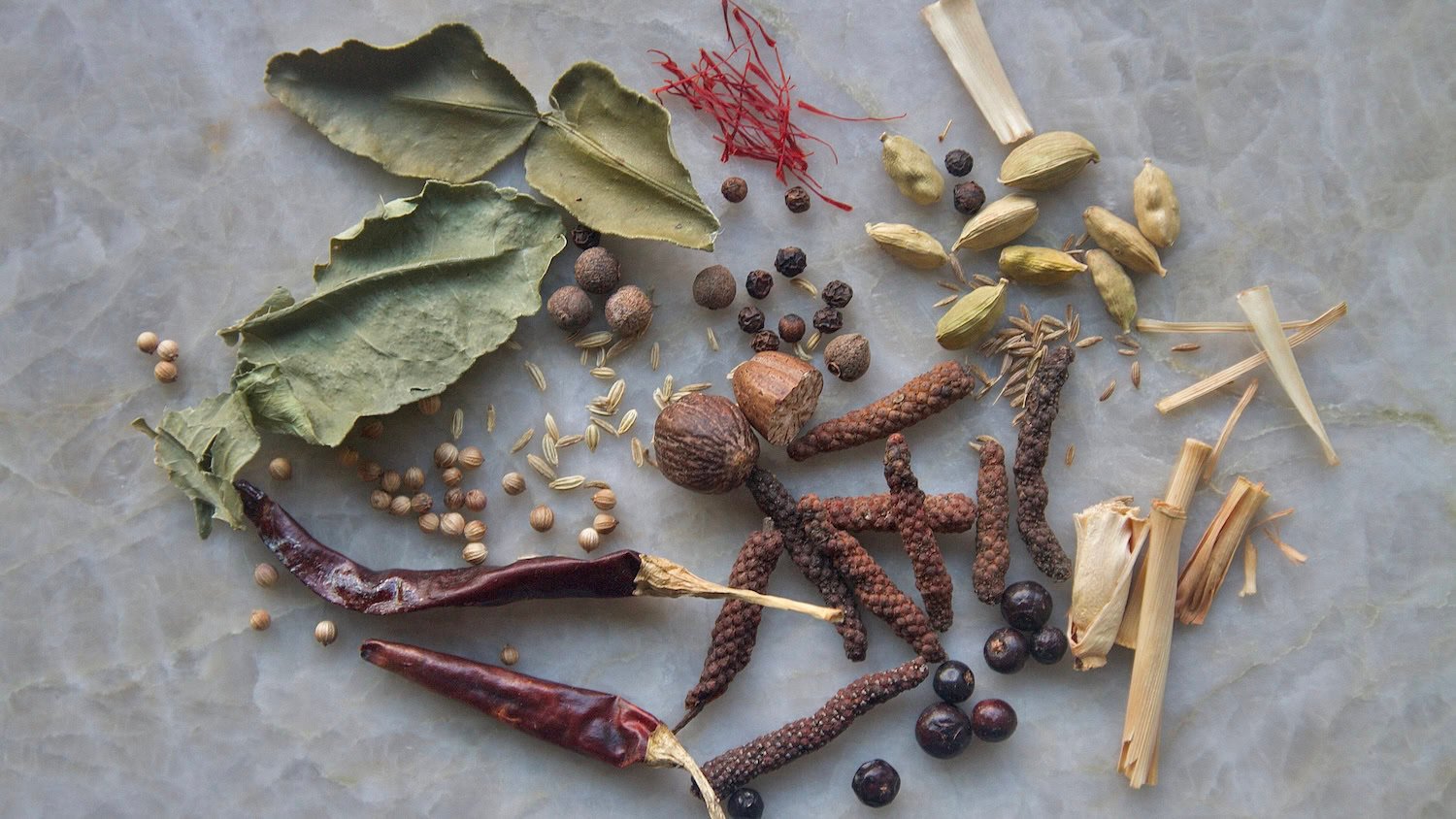
The history of spices is not just a culinary narrative; it is a story of adventure, greed, war, and the relentless human desire for the exotic. From the ancient Silk Road to the maritime routes that connected East and West, the trade of spices has been the engine of global globalization for millennia.
The Ancient World: Spices as Sacred and Secret
Long before they were used to flavor stews, spices were revered for their medicinal and ritualistic properties. In Ancient Egypt, as early as 3500 BCE, spices like cassia and cinnamon were essential for the mummification process, used to preserve the bodies of royalty for the afterlife.
The Greeks and Romans further elevated the status of spices. For the Romans, black pepper was a symbol of immense wealth. It was used not only in food but also as a form of currency. When the Goths besieged Rome in 408 CE, part of the ransom demanded to spare the city included 3,000 pounds of black pepper.
During this era, the source of many spices was shrouded in mystery. Arab traders, who controlled the early spice routes, protected their monopolies by inventing fantastical tales. They told of giant birds that built nests out of cinnamon sticks on inaccessible cliffs or of winged serpents guarding groves of frankincense. These stories served a dual purpose: they justified the exorbitant prices of the spices and discouraged competitors from seeking out the actual sources in India, Sri Lanka, and Southeast Asia.
The Silk Road and the Middle Ages
As the centuries progressed, spices reached Europe via the Silk Road—a vast network of land and sea routes stretching from China and Indonesia through the Middle East and into the Mediterranean. By the time a peppercorn reached a market in Venice or London, it had changed hands dozens of times, its price increasing at every stop.
In Medieval Europe, spices were the ultimate status symbol. A pound of ginger was worth the price of a sheep, and a pound of mace could buy three cows. Nutmeg was so rare that it was occasionally used as a portable wealth, carried in small, ornate boxes to be grated onto food as a public display of affluence. Beyond the flavor, spices were crucial for masking the taste of poorly preserved meat and for the preparation of medicines.
The Age of Discovery: A World Remapped by Pepper
By the 15th century, the fall of Constantinople to the Ottoman Empire disrupted traditional land routes, leading to a massive spike in spice prices. This forced European powers—primarily Portugal and Spain—to find a direct sea route to the “Spice Islands” (the Moluccas in modern-day Indonesia).
This quest for spice changed the world forever. In 1492, Christopher Columbus sailed west, hoping to find a shortcut to the East Indies, but instead stumbled upon the Americas. While he failed to find the black pepper he sought, he introduced the world to chili peppers, which would eventually revolutionize global cuisine.
Meanwhile, in 1498, Vasco da Gama successfully rounded the Cape of Good Hope and reached India, breaking the Arab and Venetian monopoly. This marked the beginning of the “Spice Wars.” For the next 300 years, the Portuguese, Spanish, Dutch, and English fought bloody naval battles for control over tiny islands that produced cloves and nutmeg. The Dutch East India Company (VOC) became the world’s first multinational corporation, fueled almost entirely by the profits from the spice trade.
The Colonization and the Democratization of Flavor
The 17th and 18th centuries saw the height of colonial control over spices. The Dutch famously traded the island of Run (part of the Moluccas) to the British in exchange for a small, swampy island in North America called Manhattan—all for the sake of securing a monopoly on nutmeg.
However, the monopoly could not last forever. In the late 1700s, a French horticulturalist named Pierre Poivre successfully smuggled nutmeg and clove seedlings to Mauritius and the Seychelles. Soon after, the British began cultivating spices in their own colonies, such as Grenada and Zanzibar.
As cultivation spread to different parts of the globe, the scarcity that had driven prices to astronomical heights vanished. By the 19th century, spices had become accessible to the middle class. The “democratization” of spices meant they were no longer reserved for the tables of kings, but could be enjoyed by anyone with a modest income.
Spices in the Modern Era
Today, we live in an era where spices are ubiquitous. The global spice trade is now a multi-billion-dollar industry, but the focus has shifted from conquest to quality, sustainability, and health. We now understand the science behind what the ancients suspected: turmeric contains powerful anti-inflammatory compounds, cinnamon helps regulate blood sugar, and cloves are rich in antioxidants.
Modern logistics have made it possible for us to enjoy fresh spices from every corner of the earth. We can find Sumac from the Middle East, Sichuan peppercorns from China, and Smoked Paprika from Spain in a single aisle of a neighborhood grocery store.
Conclusion
The history of spices is a testament to the lengths humanity will go to for a better, more flavorful life. What began as a mysterious and sacred commodity became the catalyst for the greatest maritime explorations in history, linking the East and the West for the first time. While we no longer fight wars over peppercorns, every time we season our food, we are participating in a tradition that spans five thousand years. The spice rack in your kitchen is not just a collection of ingredients; it is a museum of human history, containing the barks and seeds that once launched a thousand ships and built the world we know today.